

Description
Fedora is one of the most popular GNU/Linux distributions, sponsored by the Red Hat company and actively supported by a vibrant open-source community. Its name was inspired by a soft felt hat, which has become an iconic symbol of the project.
The primary purpose of the project is to test and integrate new technologies that are planned to be subsequently included in Red Hat products and solutions by other developers. Users of the distribution cannot receive direct support from the RedHat company itself; instead, support is provided by dedicated members of the open community.
The goal of this project is to create a complete and cohesive operating system built on open-source software. A new version is released approximately every six to eight months, following a publicly available schedule.
Fedora Workstation is a consumer-oriented operating system designed for laptops and desktop computers, including Mac hardware. Built upon the foundation of Red Hat Linux, this distribution utilizes the RPM package manager for installing, updating, and removing software packages on your machine.
Distributed as Live images
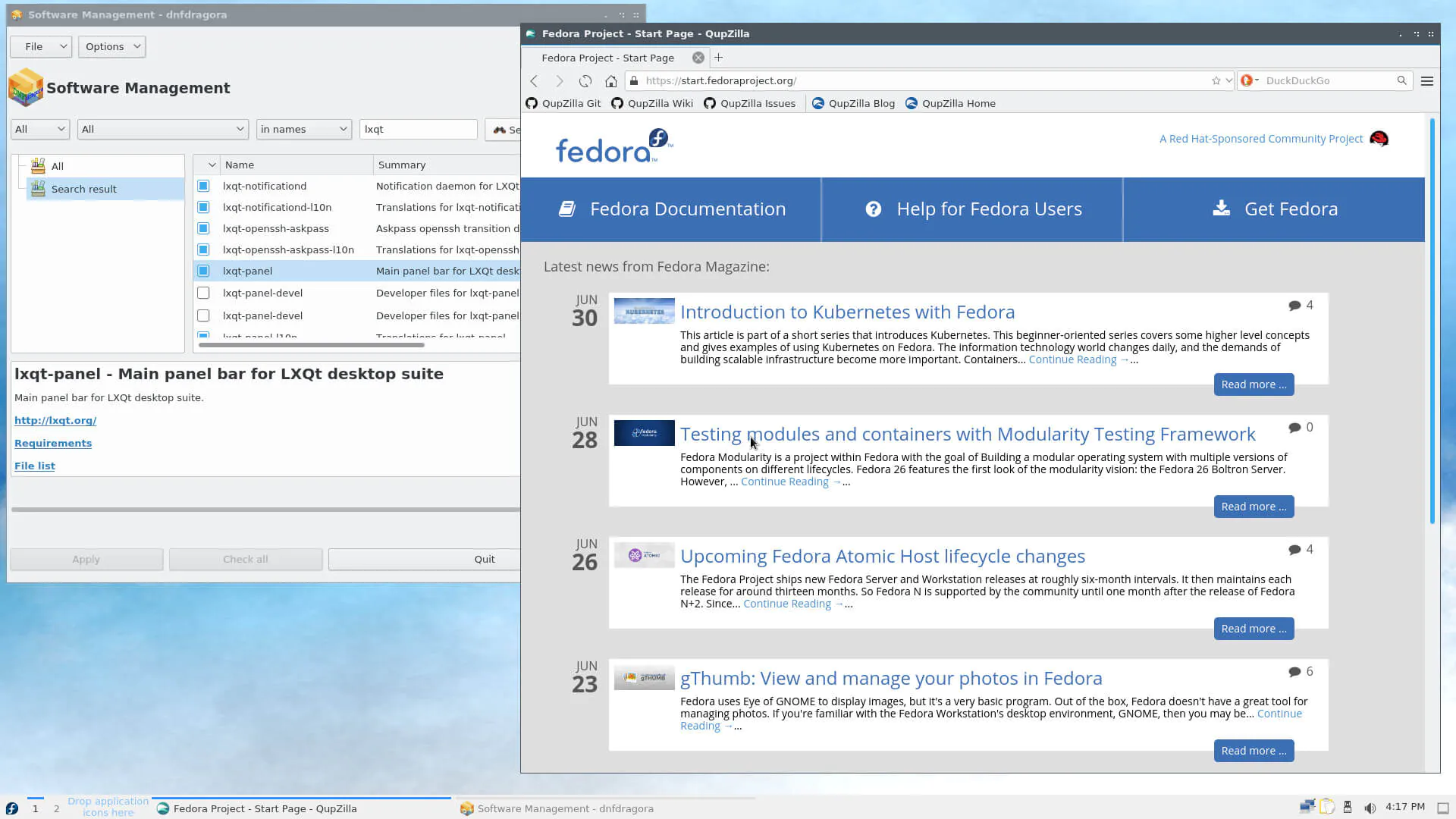
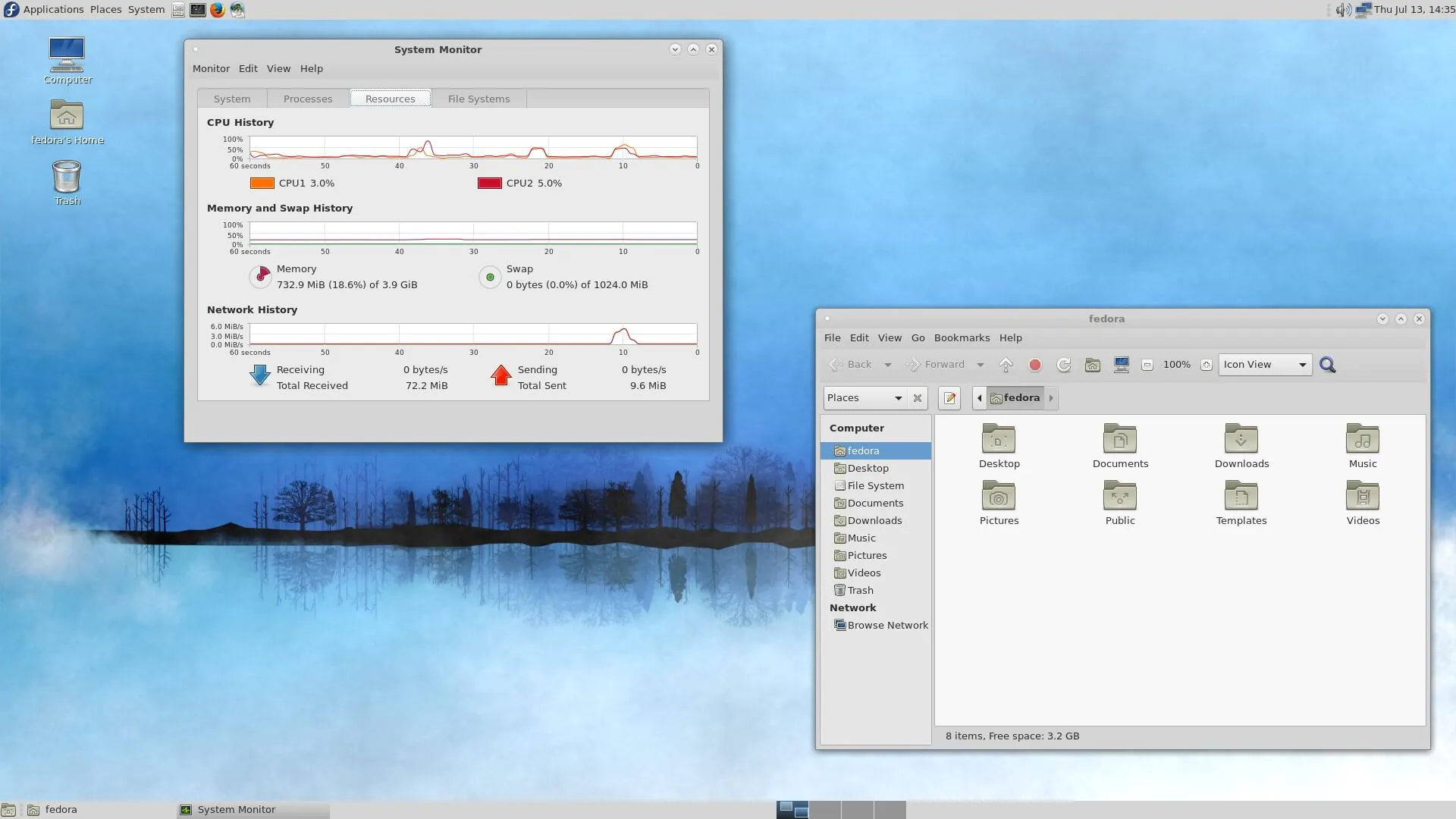
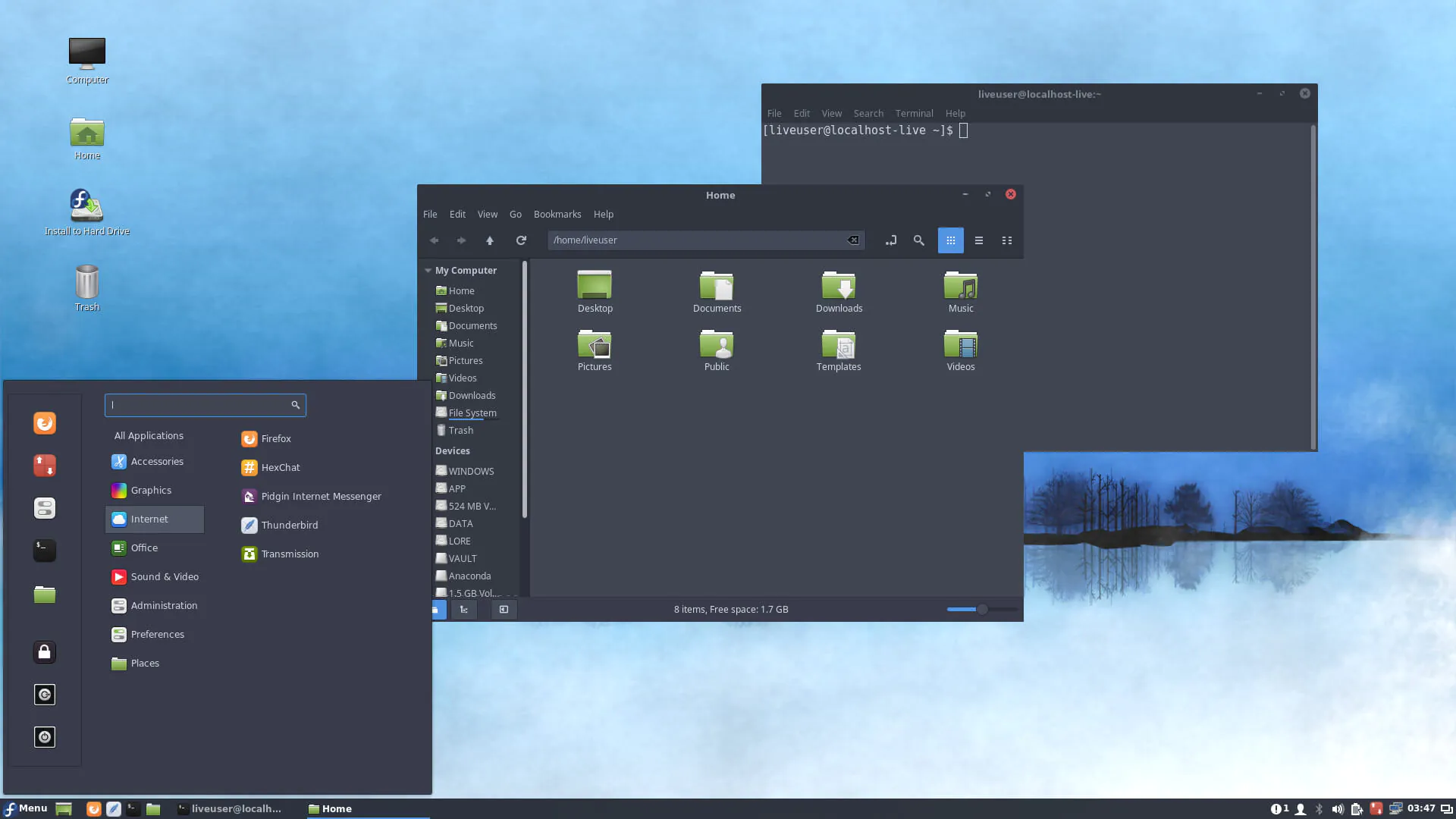
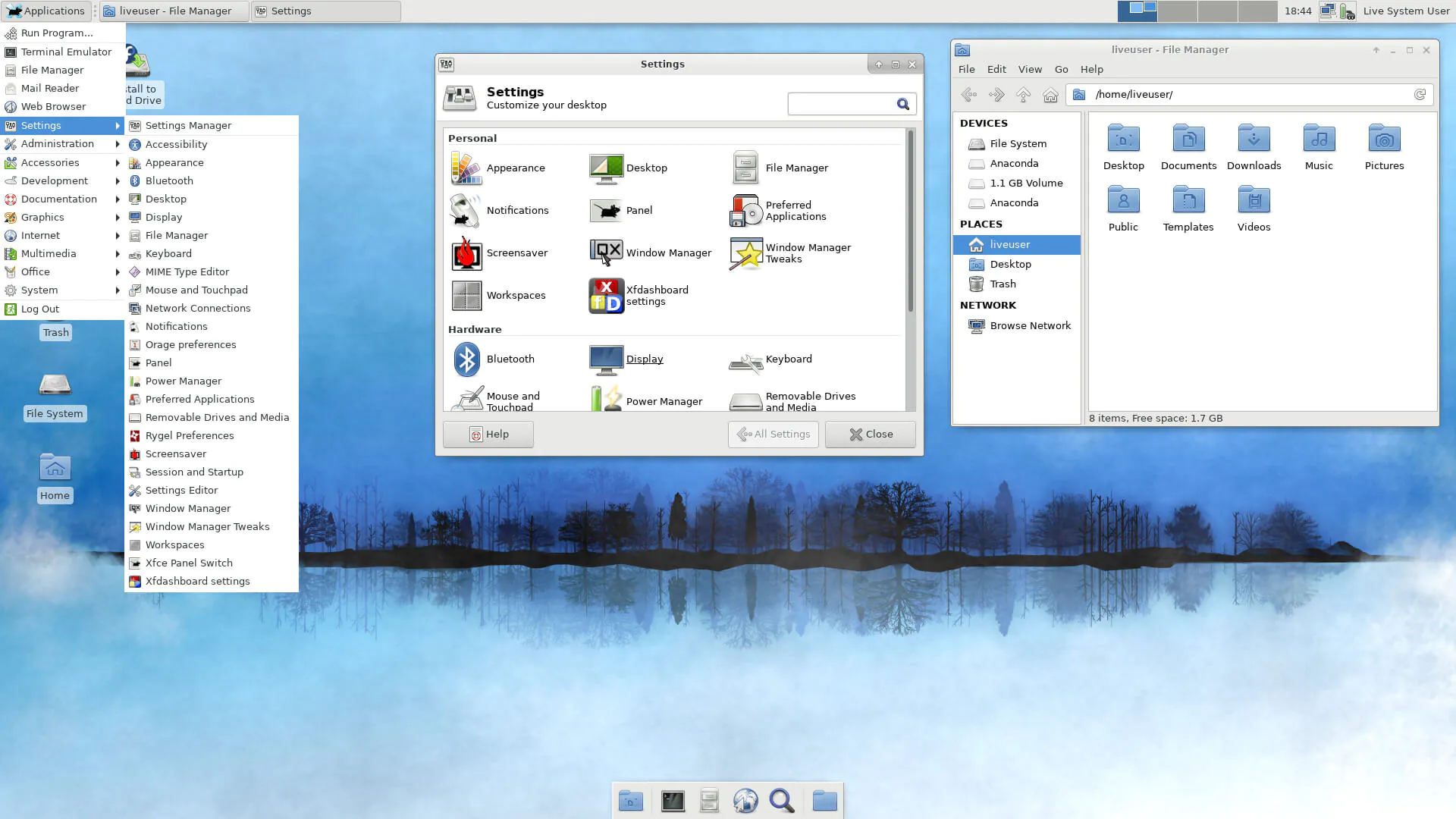
- Fedora is available as a Live DVD ISO image used for installation, as well as a Live CD for each of its numerous variants (for example, netinstall for network-based installation). A large ISO image containing the distribution sources and installable DVDs are available for fedora download. The DVD image ships with all desktop environments supported by Fedora: GNOME, KDE, Xfce, LXDE, and MATE.
Boot options
- In addition to installing the latest version of Fedora Linux, the bootable media can be used to recover an existing Fedora installation, run memory testing diagnostics, boot from a local disk, and install Fedora in a safe graphical mode on your Mac system.
Simple and intuitive installation process
- Not only is the installation wizard modern and intelligent, but the entire installation process itself is straightforward and highly intuitive. The installer automatically detects most hardware components, including Mac-specific hardware, and presents users with a comprehensive summary of the installation configuration.
On the summary screen, you can change the date and time, keyboard layout, system language, configure network settings, select the installation source, choose the fedora desktop environment and applications you wish to install, and configure disk partitioning.
- Next, you can set up the root (system administrator) password and create a new user account. That is all there is to it — the installation process will continue deploying files from the bootable media and will notify users when a system reboot is required to finalize everything.
One of the most influential systems
- Fedora Linux is definitely one of the most influential operating systems within the open-source software ecosystem. The system can be deployed on virtually any hardware, including Mac computers, and can be extensively personalized to meet your specific requirements and workflow preferences.
Reviews & Comments
No comments yet. Be the first to share your experience.